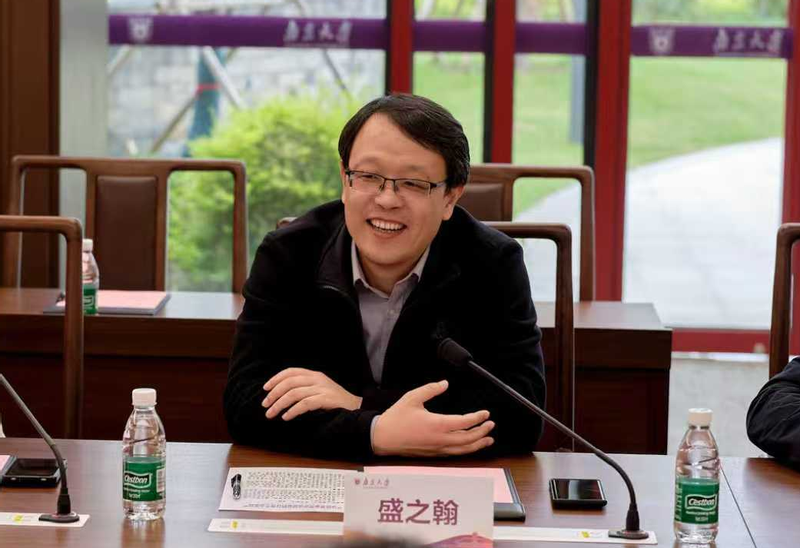
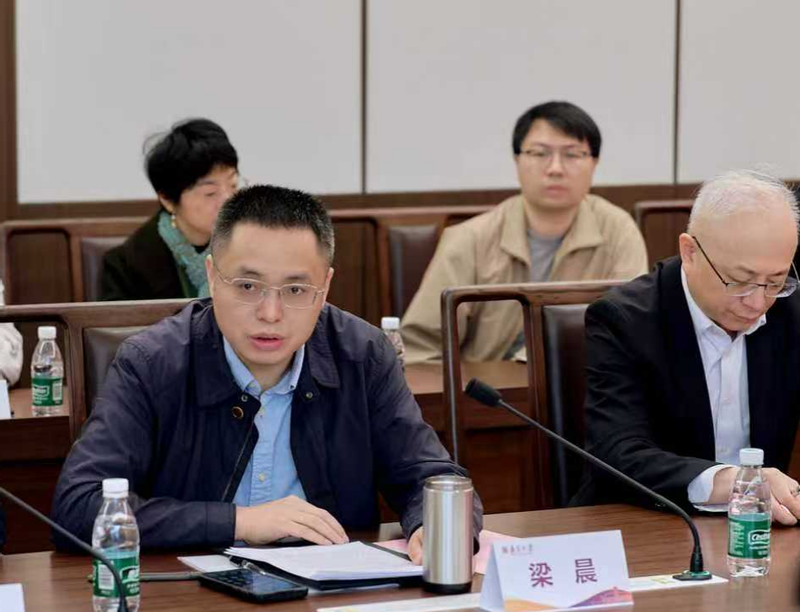
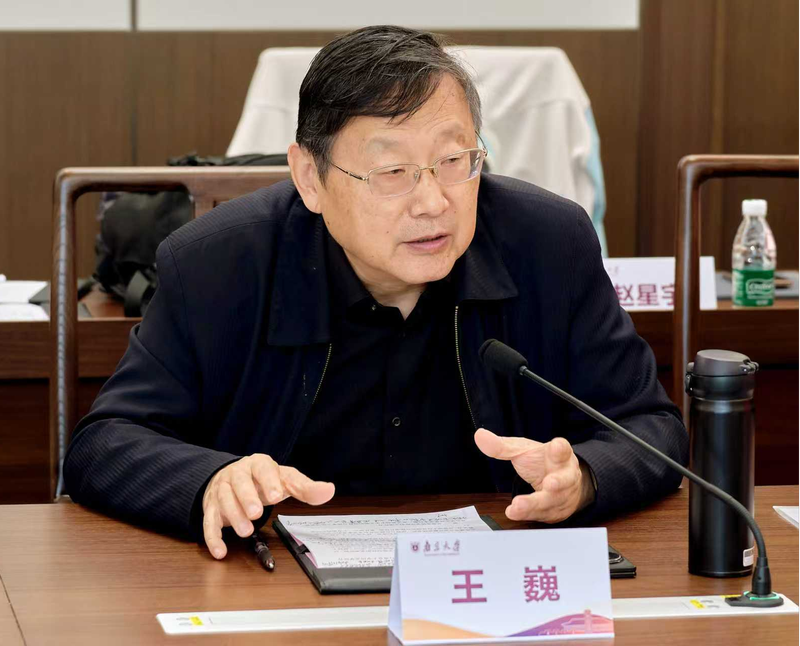
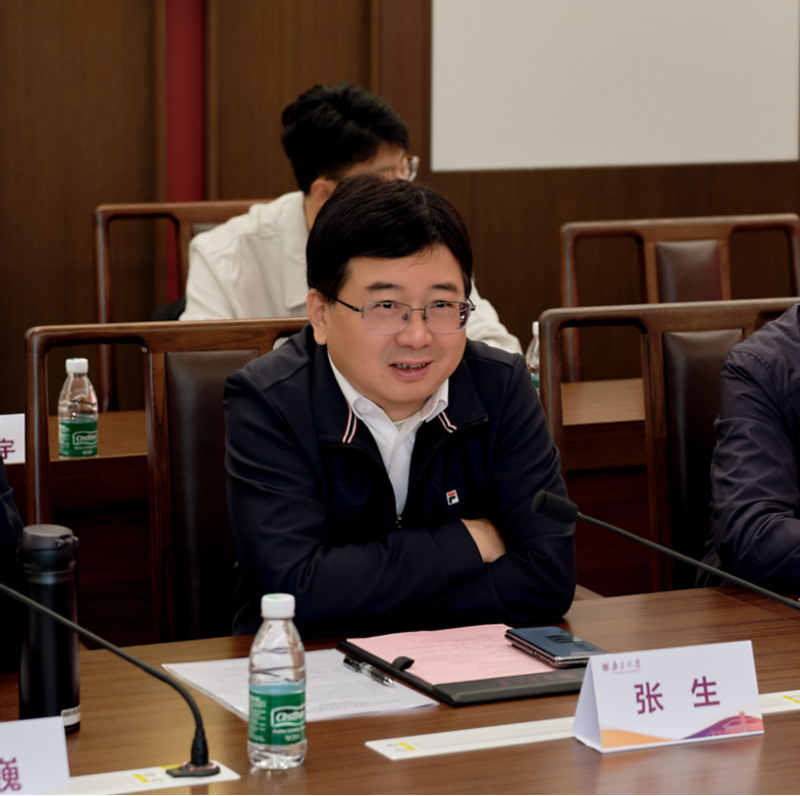
In April 15, 2026, the signing ceremony for the cooperation agreement between the School of History of Nanjing University and the Jiangsu Provincial Institute of Cultural Relics and Archaeology, was held at Nanjing University's Suzhou Campus. Attending the ceremony and delivering speeches were Jiang Tian, Assistant Principal of Nanjing University, Executive Deputy Director of the Suzhou Campus Administration Committee, and Dean of the National Graduate School of Engineers and School of Frontier Sciences; Chen Qian, Party Secretary of the National Graduate School of Engineers and School of Frontier Sciences and Deputy Director of the Suzhou Campus Administration Committee; Sheng Zhihan, Director of the Jiangsu Provincial Institute of Cultural Relics and Archaeology; Liang Chen, Dean of the School of History; and Wang Wei, former President of the Chinese Archaeological Society, Member of the Chinese Academy of Social Sciences Academic Division, Director of the Historical Studies Division, Honorary Dean of the Institute of Archaeology, Cultural Heritage and Civilization Studies at Nanjing University, and Level 1 Professor. The ceremony was presided over by Zhang Sheng, Dean of the Institute of Archaeology, Cultural Heritage and Civilization Studies.
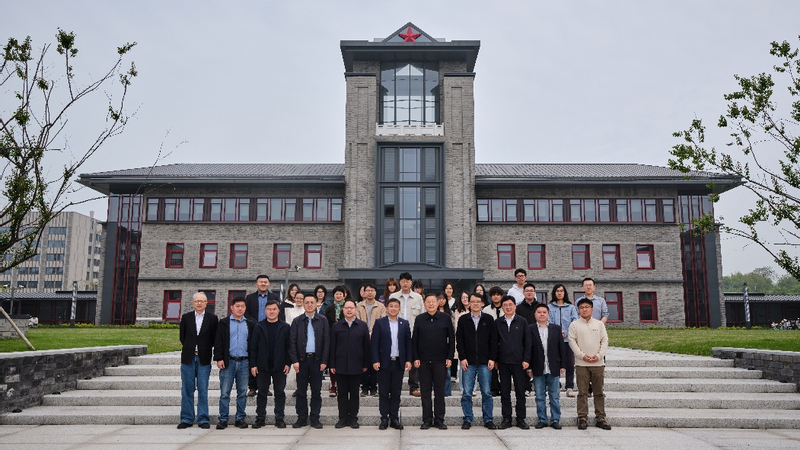
Witnessing the ceremony were Zhou Runken, Deputy Director of the Jiangsu Provincial Institute of Cultural Relics and Archaeology; Cao Jun, Director of the General Office; Liu Shanhu, Director of the Personnel Office; Hu Zhengning, Assistant Dean and Director of the General Office of the School of History; Wu Guibing, Director of the Department of Archaeology and Cultural Heritage and Executive Dean of the Institute of Archaeology, Cultural Heritage and Civilization Studies; and faculty and student representatives from the Institute of Archaeology, Cultural Heritage and Civilization Studies.
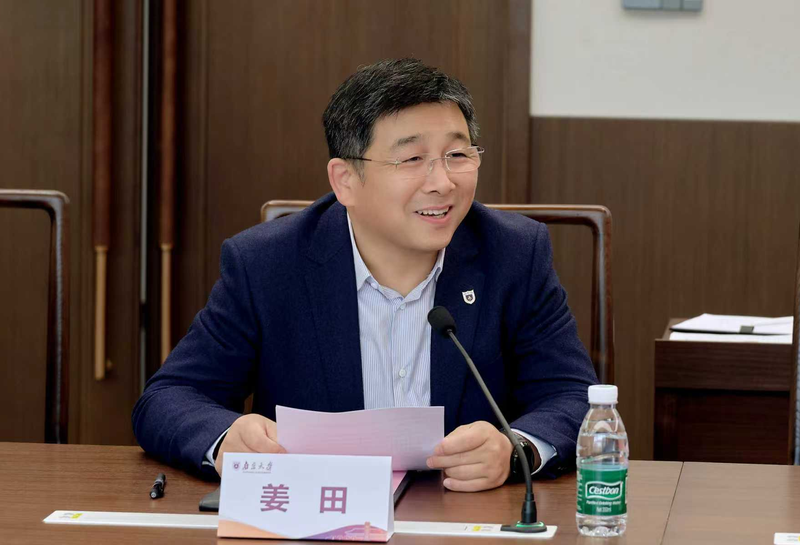
Jiang Tian stated that the signing of the agreement is an important initiative to serve the national cultural strategy and promote the high-quality development of archaeology. Nanjing University has always regarded archaeology as a crucial pillar and has innovatively explored the integration of liberal arts and new engineering at the Suzhou Campus, systematically advancing disciplinary development and striving to build an internationally influential research center for archaeology. He emphasized that this cooperation will provide strong support for cultivating high-level archaeological talents urgently needed by the nation, and looked forward to deeper collaborative innovation between both parties to make greater contributions to the development of archaeology in Jiangsu and throughout the country.
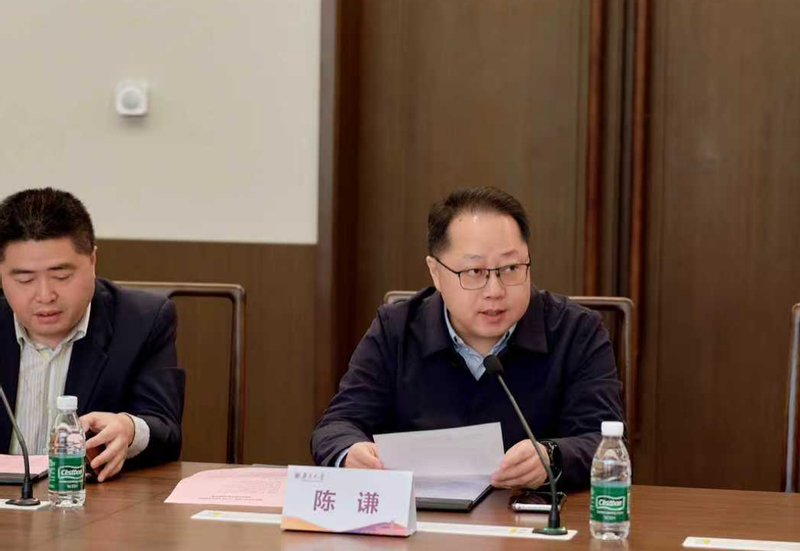
Chen Qian mentioned that the School of History, as the supporting institution of the Institute of Archaeology, Cultural Heritage and Civilization Studies, attaches great importance to this cooperation. He described the Institute as an important platform for the deep integration of the humanities, sciences, and engineering studies. In recent years, the Institute has carried out interdisciplinary cooperation with science and engineering teams in such areas as archaeometry, environmental archaeology, and big-data archaeology, and has achieved encouraging progress. Chen Qian emphasized that the signing of this agreement represents an important opportunity to advance interdisciplinary research, build an industry-university-research collaboration system, and strengthen practice-oriented education. Drawing on the academic foundation of the School of History and the interdisciplinary platform of the School of Frontier Sciences, the Institute will accelerate the development of an archaeology model with distinctive Nanjing University characteristics.
Sheng Zhihan noted that Nanjing University has a long history in archaeology and has developed distinctive strengths in field archaeology, scientific archaeology, cultural heritage, conservation of cultural relics, and museology. He noted that the Jiangsu Provincial Institute of Cultural Relics and Archaeology will fully support the archaeology program of the School of History and the Institute of Archaeology, Cultural Heritage and Civilization Studies. Both sides will work together to promote the high-quality development of archaeology and better serve the national project on tracing the origins of Chinese civilization and cultural globalization.
Liang Chen said that the signing of this agreement is not only a deepening of cooperation, but also an important opportunity to systematically advance discipline development and talent cultivation. He stressed that the key to the partnership lies in implementation. The School of History will establish a regular joint training mechanism, build teaching and internship bases together, and carry out collaborative research projects, so as to ensure that the cooperation delivers results as soon as possible and to further improve the quality of archaeology training and research innovation.
Professor Wang Wei noted that this cooperation represents a deep integration of “fieldwork strengths” and “disciplinary strengths,” and has great significance. He emphasized that the partnership reflects a proactive effort to serve national strategies, provides an important path for advancing disciplinary transformation, and offers key support for cultivating high-level talent. He expressed hope that both sides will steadily advance the cooperation and make greater contributions to the development of Chinese archaeology and to the research and communication of Chinese civilization.
Then, witnessed by the attending experts, faculty, and students, Sheng Zhihan and Liang Chen, on behalf of the two sides, signed the cooperation agreement. The two parties will carry out in-depth cooperation in archaeological excavation, scientific research, archaeology program development, talent cultivation, public communication and exhibition, and resource sharing, so as to jointly promote the integrated development of archaeological work and university discipline building in Jiangsu.
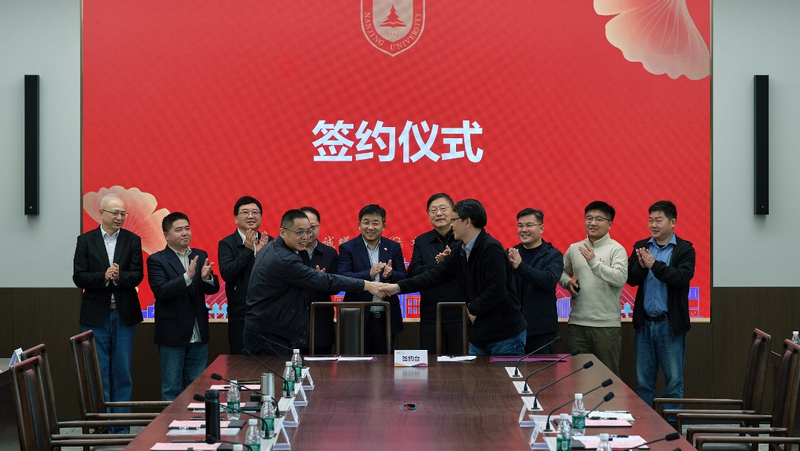
During the discussion session, participants from both sides engaged in in-depth exchanges on the overall vision and implementation pathways for university-local cooperation, and further clarified the strategic direction and priority areas for future collaboration.
Photo by Zhao Xingyu
Written by Liu Furong
Reviewed by Wu Guibing
Translated by Zhang Junsong, Yang LingWei